Man with van in Brixton for practical removals and item transport

Man With Van Brixton provides a straightforward moving service in Brixton for people and businesses that need items collected, carried and delivered with care. The work suits smaller home moves, single bulky items, furniture pick-up and local transport where a full-scale removal vehicle may be more than is needed. Our approach is built around clear handling, sensible loading and organised delivery, so the move feels manageable from the first enquiry through to the last item off the van.
Customers often look for a service that can handle mixed loads, awkward access and short-notice changes without turning the job into something overcomplicated. That is where a flexible man and van service can be useful: it gives you transport, lifting support and a vehicle sized for the task, while still keeping the arrangement focused on the actual items that need moving. If you are comparing options, our homepage explains the main service in plain terms and helps you decide whether a van-based move is the right fit.
We also support people who need a simpler collection or delivery job rather than a full household removal. That might mean one room of furniture, a flat-pack purchase, archive boxes, or a few larger possessions that need careful movement through stairs, hallways or shared entrances. The aim is practical support: enough help to move the load safely, without adding unnecessary extras. If you already know what needs moving, you can request a quotation and describe the items, access and destination so the job can be priced appropriately.
Home moves, flat moves and smaller household removals
Home moves are often best handled in stages, especially when the property is a flat, a shared house or a compact home where access needs a bit of planning. A van-based move can suit one-bedroom and smaller household loads, but it can also be useful for selective transport when only part of the home is moving. The service may cover beds, sofas, tables, boxes, kitchen items and other household belongings that need lifting, securing and delivery in a sensible order.
For many customers, the key decision is whether to move everything in one journey or split the work into a more manageable sequence. That depends on the volume, the amount of dismantling needed and the ease of access at each end. Home moves are usually easier when the load is planned item by item, because that helps to avoid wasted space and reduces the risk of fragile items being crushed. It is also useful when belongings are going to different rooms or when some pieces need to arrive later than others.
If you are preparing for a move, it helps to make a simple list of what is going and which items need special care. Photos can also be useful when the load includes large wardrobes, fragile mirrors or unusually shaped furniture, but they should support the description rather than replace it. If you want to compare the move with a broader household service, house removals covers the kind of work that involves more of the home’s contents and a more structured removal plan.
Furniture collection and single-item transport

Some jobs are less about moving a whole home and more about getting one important item from A to B. That may include a sofa from a retailer, a dining table from a seller, a bed frame from storage or a bulky item that will not fit in a car. Our furniture transport support is designed for those practical collections where safe lifting and secure positioning matter more than a large removal crew. The vehicle and handling method need to suit the item, not the other way round.
Furniture pick-up is especially useful when the item is heavy, awkward or needs careful protection during transit. Upholstered pieces, wooden furniture and glass-topped items can all benefit from thoughtful loading and spacing inside the van. Where dismantling is required, it should be discussed in advance so the job can be priced and timed realistically. If the item needs collecting from a seller, warehouse or storage unit, the address, access details and any collection deadline should be made clear at the outset.
Single-item transport is also a sensible choice when you need to move possessions between addresses without a broader house move. Many customers prefer to keep that process simple: identify the item, describe its size and weight as accurately as possible, and explain whether help is needed at both ends. That makes it easier to match the job to the right vehicle and approach. If several pieces are involved, it may be more efficient to treat the move as a small removal rather than a one-off collection.
Office moves and commercial transport
Commercial work calls for a slightly different rhythm from domestic moving, because office items often need to be taken out of service, loaded carefully and delivered in a way that limits disruption. Desks, chairs, filing cabinets, boxed records and light equipment can usually be handled with a van-based move when the load is modest and the destination is clear. The service is suited to small offices, studios, consultation rooms and other workplaces that need organised transport rather than a large relocation operation.
Office relocation services are useful when a business needs a more structured move that takes account of access, equipment and the order in which items should arrive. Even when the volume is limited, it helps to separate furniture, boxes and specialist items so that loading can follow a sensible sequence. We can then focus on protecting what matters, keeping items together where needed and reducing the chance of damage during loading or unloading. The same practical approach is helpful for internal relocations as well as moves between sites.
Commercial customers often need a clear picture of timing and scope before they confirm the job. If you are moving a few desks, several archives or a reception area setup, say which items are involved and whether there are lifts, stairs or loading restrictions. A concise commercial moves enquiry can make it easier to estimate the scale of work and decide whether the job sits comfortably within a man and van format or needs a broader removal plan.
Packing support, loading order and protection in transit
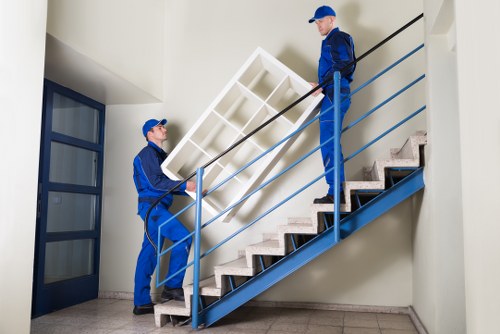
Packing influences almost every move, even when the vehicle journey itself is short. Boxes that are too heavy, loose items with no padding and awkwardly packed bags can slow the job and increase the risk of breakage. That is why a moving plan should consider not only what is being carried, but how each item is prepared. A van-based move works best when the load can be stacked neatly, with heavier items below and fragile items separated from pressure points.
Packing and unpacking services matter when the customer would like extra help making the load travel safely and arrive in a usable order. This can include wrapping delicate objects, grouping kitchenware, protecting corners on furniture and making sure boxes are marked clearly enough to avoid confusion later. Packing is not only about neatness; it is also about keeping a move efficient, because well-prepared items are quicker to load and easier to place in the right part of the vehicle.
If you are arranging the move yourself, two simple preparations are often the most valuable. First, group similar items together so that the van can be loaded logically and unloaded in the right sequence. Second, make sure any pieces that need disassembly are identified early, especially if tools or extra time will be required. For customers who want a broader removal arrangement, removal services can be a better fit because they bring several transport and handling tasks together under one plan.
Prices, quotation details and what affects the cost
Pricing for this kind of service depends on the practical details of the job rather than on a fixed guess. The main factors are usually the number and size of items, the distance between addresses, access conditions, parking, whether lifting help is needed and whether the move includes dismantling or careful handling. A simple local collection is very different from a multi-stop move with stairs, heavy furniture and tight time windows, so a quotation should reflect the actual work involved.
Pricing and quotes is the natural place to start when you want a clearer idea of how the job may be costed. Useful information includes the item list, the collection and delivery points, any restrictions on vehicle access and whether the load needs extra protection. You do not need to overcomplicate the request, but a clear description usually leads to a more useful response. If the move is still evolving, say what is confirmed and what is likely to change so the quote can remain realistic.
Two enquiries can look similar on paper and still need different pricing because of parking, carrying distance or the time needed to manoeuvre items safely. That is why it helps to keep the scope precise. If you know there are awkward stairs, narrow entrances or long walks from the vehicle to the door, include that information with the rest of the job details. A straightforward quotation request should give enough detail for the move to be assessed without making you write a full inventory.
About Brixton
Brixton is a neighbourhood in the London Borough of Lambeth, in south London, known for its strong cultural identity, busy town centre and varied residential streets. The area developed rapidly in the nineteenth century after improved transport links encouraged suburban growth, and much of its present character still reflects that period of expansion. Brixton station, on the Victoria line, opened in 1971, adding another layer to the area’s long transport history and reinforcing its role as a well-connected part of inner London. The neighbourhood is closely associated with Brixton Road and the surrounding network of streets that lead towards Stockwell, Clapham and Camberwell, while the nearby A23 continues to shape movement through the district. Brixton Market and the covered market spaces around Electric Avenue remain among its best-known landmarks, with trading, food and small businesses giving the centre a lively everyday atmosphere. The Ritzy cinema is another recognisable feature, reflecting the area’s long-standing cultural life. Brixton’s built environment mixes Victorian terraces, post-war development and later infill, so its streets present a varied urban character rather than a single uniform style. Brockwell Park lies to the south-west and provides an important open space with gardens, paths and views across the wider city. The neighbourhood also has a notable place in London’s music and social history, with venues, record shops and community spaces contributing to its reputation as a district with strong local expression. Together, these elements make Brixton a dense, active part of the capital where residential, commercial and cultural uses sit closely together.
Moving access, stairs and practical handling
Not every move depends on distance alone; access can matter just as much. Narrow staircases, basement flats, top-floor rooms and shared entrances all change the way the job should be handled. A service that includes loading support can be useful when furniture needs to be turned, lifted or carried carefully to avoid scraping walls and doors. The more clearly access is described, the easier it is to choose the right arrangement for the move.
When access is straightforward, the work may only need a simple lift-and-load approach. When it is less straightforward, it can be worth allowing a little more time for careful handling and stacking. Moving van arrangements are often chosen when the priority is secure transport with enough flexibility to deal with tight spaces or unusual item sizes. In practice, the van must be loaded so that fragile belongings stay protected and heavier items do not shift during the journey.
It is also sensible to think about where the vehicle will stop and how far items need to be carried from the entrance. Long carrying distances and awkward parking can increase the effort involved, even in a short local move. If you know that the address has restricted access or controlled parking, mention it with the rest of the job details. That way the quotation can take the actual handling requirements into account, rather than assuming a simple curbside load.
Removal options for larger or combined loads

Some customers begin with a small collection in mind and later realise they have enough items to benefit from a fuller removal format. That might happen when a flat is being cleared, a family room is being redecorated or several large items need to move together. In those cases it can be useful to choose a broader removal option that still remains practical and cost-conscious, while offering more space and more structured handling than a single-item transport job.
Removals can suit customers who want a more complete moving arrangement for a house, flat or mixed load. It is especially helpful where several categories of item need to travel together, such as furniture, boxes, personal possessions and a few heavier pieces that cannot be split up easily. We keep the focus on the items and the access conditions, so the move is shaped around the work rather than around an arbitrary package.
If you are comparing similar services, it may help to think about how much of the job is transport and how much is general moving support. A van-based move can be enough for many customers, but larger or more varied loads may benefit from a broader removal plan. Whichever route you choose, the most useful quotation request is the one that describes the actual contents clearly and leaves little room for guesswork.
How to request a quotation
A good quotation request does not need to be long, but it should be specific. Tell us what needs moving, where it is going, whether any items are fragile or unusually heavy, and whether the job involves stairs, lift access or parking restrictions. If you can, include a rough count of boxes and a short list of larger items. That gives enough detail to assess the move without turning the enquiry into paperwork.
You can also mention whether the task is a single collection, a small household move or a more structured business job. If you want a broader service, the removal company page may help you compare the kind of support available across different move sizes and arrangements. A clear description is the most useful starting point, because it helps the right level of help to be matched to the job. If anything changes later, the scope can usually be updated before the move takes place.
For a simple next step, send the details you already know and ask for a quotation based on the items and access involved. We welcome direct enquiries from customers who want a practical moving service in Brixton, whether the job is a small domestic move, a furniture collection or a mixed van load. If you are ready, request a quotation today.